Power Cable
XLPE and PVC power cable options for industrial and utility distribution.
China Cable Supplier for Global Projects
We supply cable options for industrial distribution, building projects, welding equipment, solar PV systems, wind power and project-specific wiring needs.
Product Categories
Different cable names usually come from insulation material, conductor type, shielding, armouring, flame-retardant requirement and application environment. We organize the website by categories first, then list representative models under each product page.
XLPE and PVC power cable options for industrial and utility distribution.
Control, shielded and low-smoke cable for automation and instrumentation.
Rubber flexible cable and welding cable for mobile or high-current equipment.
Solar PV cable and wind power cable for renewable energy projects.
EV charging, pre-branch, silicone rubber and project-specific cable options.
Cable Materials and Construction
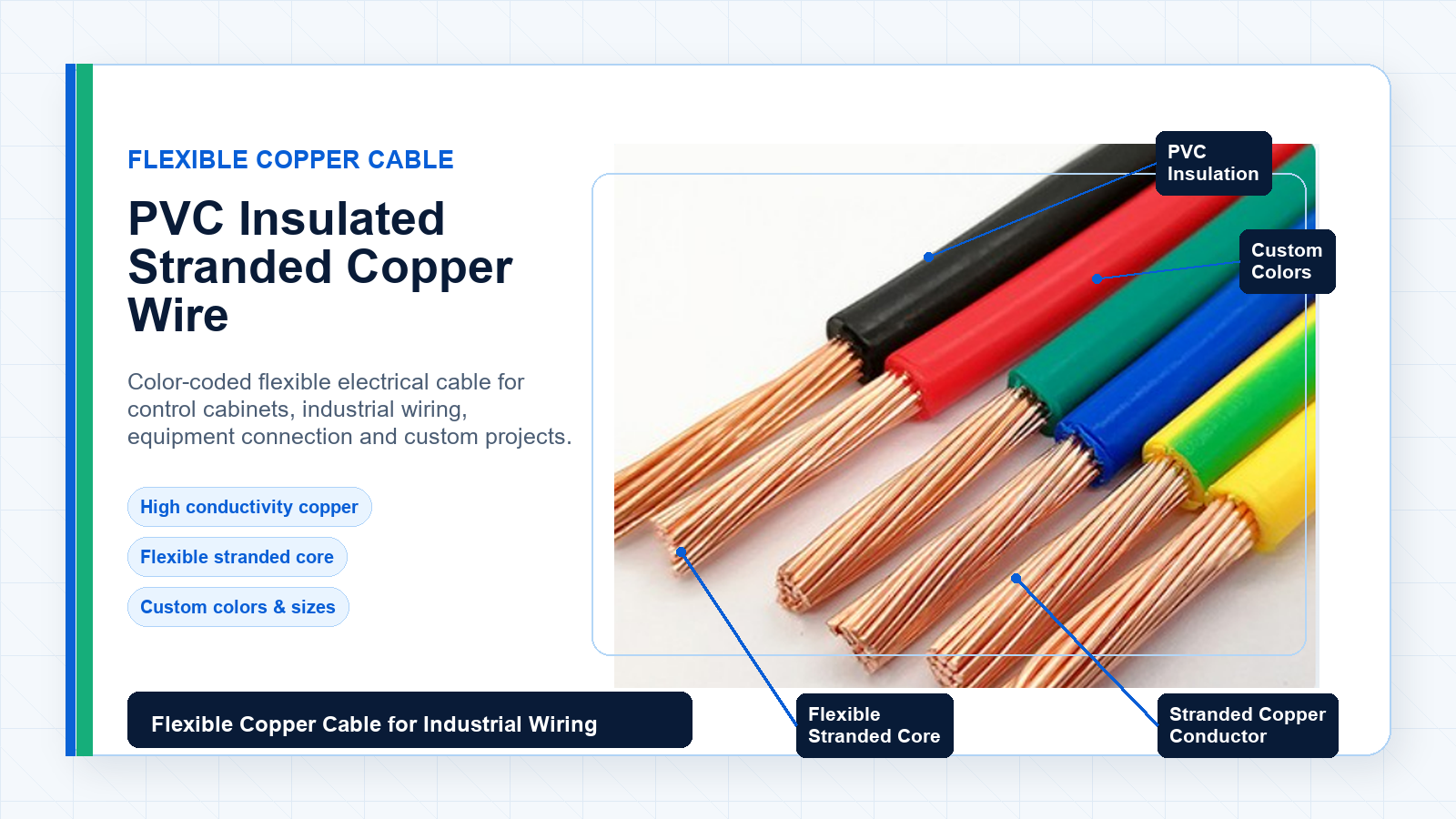
Copper or aluminium conductor, PVC or XLPE insulation, shielding, steel-tape armour and the outer sheath must be specified as one complete construction. A similar cable name does not mean the materials are identical.
Use the material guide to compare conductor, insulation, screen, armour and sheath options before sending an inquiry.
View Cable MaterialsMain Products
Each product page explains the cable type, application, available specifications and information required for quotation.
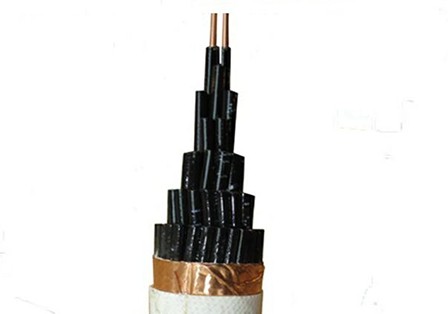
Power Cable
YJV, YJV22, YJY, YJLV
Medium and low voltage power cable for industrial plants, distribution systems, buildings and fixed installation projects.
View product details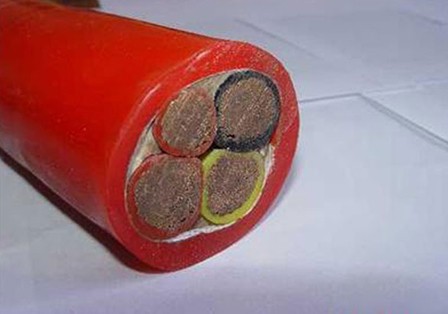
Power Cable
VV, VV22, VLV, VLV22
PVC insulated and sheathed power cable for fixed power transmission where stable voltage and standard installation are required.
View product details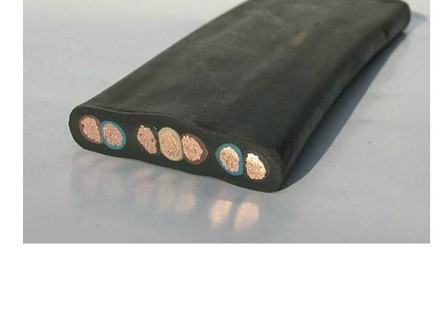
Control Cable
KVV, KVVP, KVV22, KYJV, KYJVP
Control cable for signal, monitoring and control circuits in automation cabinets, equipment rooms and industrial systems.
View product details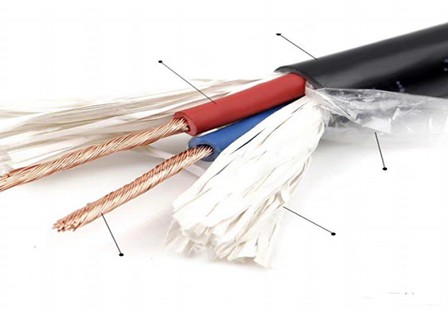
Flexible Cable
YC, YCW, YZ, YZW
Flexible rubber cable for mobile equipment, outdoor tools and working conditions that require bending resistance.
View product details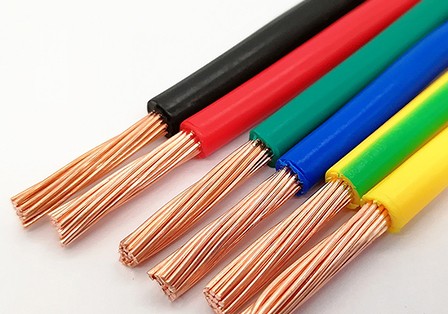
Flexible Cable
YH, YHF
Highly flexible welding cable for electric welding machines, grounding connection and high current working environments.
View product details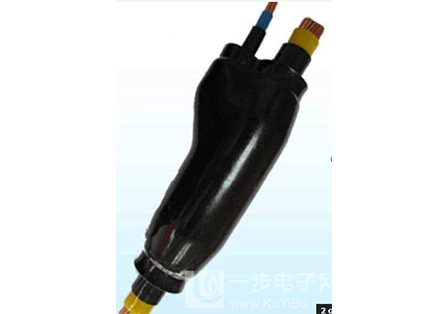
Renewable Energy Cable
WDZ-PV, PV1-F options
Photovoltaic system cable for solar power generation projects, DC string wiring and outdoor PV installation.
View product details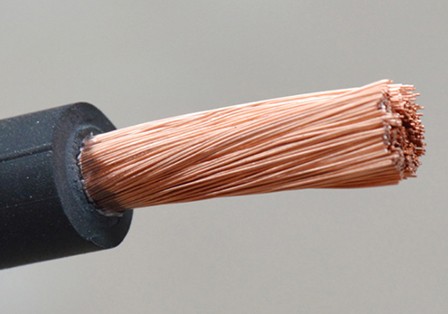
Renewable Energy Cable
FDEF, FDES, FDGG
Wind power cable for turbine nacelle, tower and renewable energy electrical connection requirements.
View product details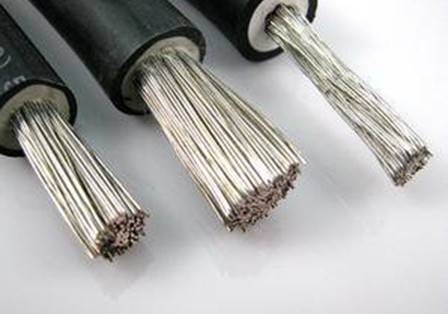
Instrumentation Cable
DJYPV, DJYVP, DJYPVP, DJYPV22
Twisted-pair shielded computer cable for data transmission, measurement and anti-interference signal systems.
View product details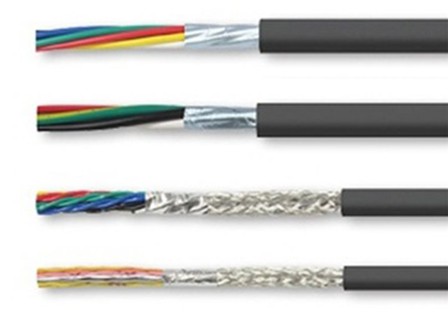
Building Cable
YFZ-YJV, YFZ-VV options
Pre-branch cable for building distribution risers and projects that require faster site installation.
View product details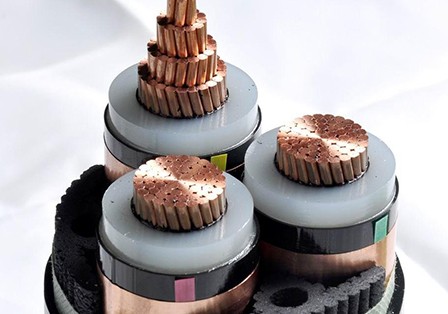
Special Cable
SS, SSPS, SF, S90U, EU options
Cable options for electric vehicle charging systems, charging piles and flexible connection scenarios.
View product detailsManufacturing and project support
Jingfeng Cable supports export inquiries for standard and project-specific cable needs. Relevant certificates and test reports can be provided upon request for applicable cable models.
Buyer Questions
Yes. Cable price is quoted according to model, specification, conductor material, copper price, order quantity and delivery requirement.
Main categories include XLPE power cable, PVC power cable, control cable, rubber flexible cable, welding cable, solar PV cable, wind power cable, pre-branch cable and special cable options.
Relevant certificates and test reports can be provided upon request for applicable cable models and project requirements.
Yes. Buyers can send cable model, standard, voltage, core number, cross section, length and application conditions for technical confirmation.
Yes. We support international buyers with quotation, specification confirmation, packaging discussion and shipping document coordination.
Yes. WhatsApp is the preferred contact channel for fast communication. Email is also available for drawings and detailed specifications.
Please send cable model, rated voltage, conductor material, number of cores, cross section, quantity, installation environment and destination country.
Cable size depends on load current, voltage, cable length, voltage drop, installation method, ambient temperature and project standard.
Yes. Tell us whether the cable is for power distribution, control cabinet, welding machine, solar PV system, wind power, building riser or mobile equipment.
XLPE cable normally has better thermal and electrical performance. PVC cable is widely used for common low-voltage fixed installation. Final selection depends on project design.
Copper cable is often selected for conductivity and compact design. Aluminum cable may reduce weight and cost in some projects. The project specification should decide first.
Armoured cable is usually considered for direct burial, cable trench, mechanical protection, rodent risk or rough installation conditions.
Shielded cable is considered when signal stability or electromagnetic interference matters, especially for control, instrumentation and data transmission circuits.
Outdoor use depends on sheath material, UV resistance, moisture resistance, temperature range and installation method. Please tell us the actual outdoor environment.
Some projects require armoured or direct-burial cable. Please confirm soil condition, conduit use, burial depth, moisture and mechanical protection requirement.
Solar PV cable selection depends on DC voltage, conductor size, UV resistance, outdoor temperature, color, length and project standard.
Wind power cable selection depends on turbine location, flexibility, voltage, temperature, torsion or movement requirement and project specification.
LSZH means low smoke zero halogen. It is often requested for public buildings, tunnels, rail transit, data centers and fire-safety-sensitive projects.
Flame-retardant cable is designed to reduce flame spread under specified test conditions. The required grade should follow the project standard.
Waterproof cable options depend on structure, insulation, sheath and application. Tell us whether the cable is used underground, outdoors, in wet areas or near water.
Some silicone rubber or special cable options can be considered for higher temperature conditions. Please provide working temperature and application details.
MOQ depends on model, specification, conductor size, stock condition and production schedule. Common specifications may be easier to arrange.
Sample availability depends on cable model and specification. For special cable, sample production may need confirmed details and material arrangement.
Delivery time depends on model, quantity, material availability and production schedule. Common products may be faster than customized cable.
Copper or aluminum conductor is a major cost part of cable. Market price changes can affect quotation validity and final price.
Yes. We can discuss export quotation terms according to destination, shipping method and buyer requirement.
Cable can be packed according to model, length, weight and shipping requirement. Drum marking and packing photos can be discussed before shipment.
Cable marking can usually include model, voltage, specification and other agreed information according to production requirements.
Applicable standards should be confirmed by cable model and project requirement. Relevant test reports can be provided upon request where applicable.
If third-party inspection is required, it should be confirmed before order so production, documents and inspection timing can be arranged.
Common documents include invoice, packing list, test report, product specification, packing photos and shipping documents as required.
Compare model accuracy, conductor material, insulation, test documents, communication speed, delivery time, packaging and after-sales response.
Common mistakes include unclear model, missing voltage, wrong conductor size, ignoring installation environment, no packaging requirement and no quote validity confirmation.
Yes. A cable photo helps, but model, voltage, core number, cross section and application are still needed for a reliable replacement quote.
Urgent orders depend on model, quantity and current production schedule. Send specifications and required delivery date for quick checking.
Use the product pages, knowledge center and buyer questions to review cable applications, standards, quotation requirements and purchasing considerations.
Knowledge Center
A practical guide to voltage, conductor, insulation, current capacity, voltage drop, armouring and installation conditions.
A complete cable RFQ reduces model errors, repeated questions and price changes.
Compare XLPE and PVC insulation by temperature, electrical performance, flexibility, fire behaviour and project standard.
Answers about MOQ, samples, certification, production, inspection, packaging, delivery and customization.
Cable sizing requires ampacity, derating, voltage drop, short-circuit and protection checks.
Compare conductivity, size, weight, termination, installation and lifetime cost.
Understand mechanical protection, steel wire armour, steel tape armour, grounding and installation limits.
Choose foil, braid or combined shielding from signal type, interference, grounding and flexibility needs.
Select sheath, water protection, UV resistance and mechanical protection for the actual route.
Understand low-smoke halogen-free materials, flame tests and the limits of LSZH terminology.
Understand conductor, construction, flame, routine, sample and type-test documents.
Learn how conductor metal, cable design, production quantity, drums and freight affect a quote.
Select PV cable by DC voltage, current, route, temperature, UV exposure, connectors and standards.
Compare flexibility, current duty, voltage, movement, oil, weather and mechanical stress.
A receiving-focused checklist for testing, markings, drum lengths, photos and export documents.
Why temperature, grouping, soil, conduit and load profile change allowable cable current.
Understand route length, current, power factor, conductor resistance and motor starting drop.
Check conductor thermal withstand, fault level, clearing time and protective-device operation.
Three common fire terms describe different tests and must be specified separately.
How international buyers should separate product standards, listings and installation-code requirements.
Consider PWM voltage stress, shielding, grounding, common-mode current and motor lead length.
Decode model, voltage, cores, conductor size, standards, metre marks and manufacturer data.
What conductor resistance, voltage tests, dimensions, spark tests and visual checks can establish.
Prevent sheath damage, conductor deformation and water ingress before energization.
Plan drum size, length tolerance, container loading, end protection and destination handling.
A practical review of specifications, conductor resistance, quality records, capacity, delivery and claims handling.
Compare core arrangement, pairs, shielding, capacitance, voltage and signal requirements.
Key questions about voltage class, insulation screen, metallic screen, water blocking, tests and accessories.
Consider charging mode, current, flexibility, temperature, communication cores, connector and regional approval.